Tuesday, October 23, 2012

Is Phosphorus the New Trans Fat?


Phosphorus is an important and essential mineral which can be found in every cell of our bodies. I say essential because our bodies cannot make this element and we need to rely on food in order to get it. Phosphorus has many functions in the body, and I recently had the opportunity to learn more about this mineral by attending the Food Nutrition Conference and Expo in the US, the largest conference of dietitian and nutrition professionals across the world. A new revelation in the dietary world is that high dietary exposures of phosphorus may be increasing our risk for heart disease. Let me explain.
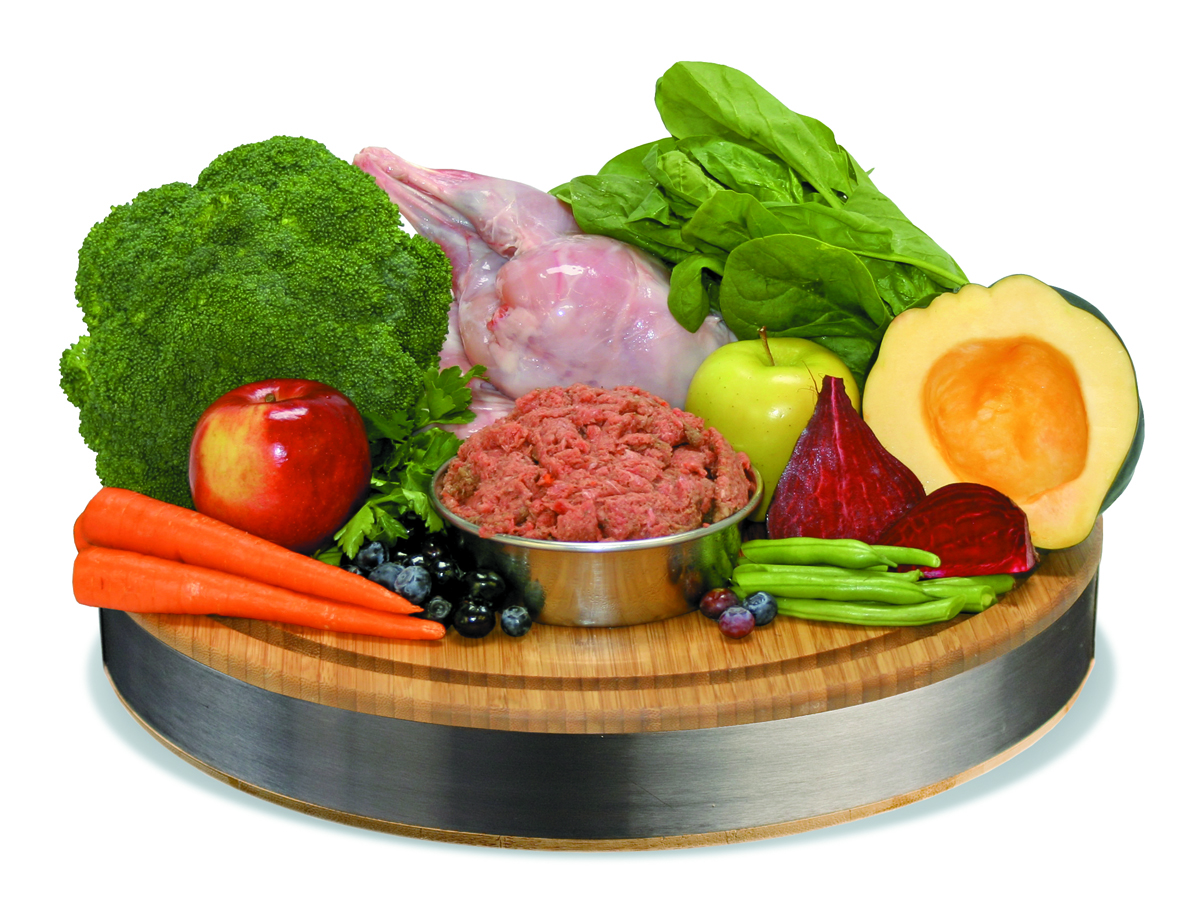
Phosphorus is an essential mineral which adults need about 700mg per day. One of its main roles is to work with calcium building strong bones and teeth, but it has several others as well. It’s found mostly in protein rich foods such as milk and milk products, and meat and meat alternatives like beans, lentils and nuts.  Whole grains can also be a source of phosphorus too, whereas fruit and vegetables provides very little. By drinking two cups of milk and having two servings of meat, poultry or fish per day, don’t worry, you’re well on your way to getting enough. It’s not foods in their natural form we need to be worried about though. It’s the phosphorus additives in our foods. They’re apparently abundant because they are cheap and multipurposeful. They are known to preserve changes in moisture, or color, or act as a stabilizer, acidifier, anti-caking or leavening agent. Unlike phosphorus in foods which about 60% is absorbed, the phosphorus consumed in additives is 100% absorbed by our bodies. It’s hard to say how much we are exactly getting in our diet as any food analyst software programs don’t take into account the extra phosphorus from preservatives in food and it’s not always listed on labels. Most people though are completely unaware of phosphorus additives in foods. I have to admit, I never really thought about them much before now either. But so you know, they are often sourced in processed, ready to eat convenience such as chicken nuggets, hot dogs, deli meats, frozen chicken or turkey that has been enhanced with a broth, biscuits and snack cakes, processed and spreadable cheeses, instant puddings and sauces, soft drinks, flavored waters and fruit drinks.  

According to experts like to Dr. Geoffrey Block, a Denver Nephrologist, higher phosphorus intakes, thought to be easily achieved from the addition of phosphorus additives to our food, can be dangerous to our health. New evidence is telling us that blood levels of phosphorus, even within the normal range, may be independent predictive factors in heart disease and death for adults regardless of having chronic kidney disease. (As a little background info, often when people have chronic kidney disease they can have high blood levels of phosphorus, and other minerals, which can really damage the body, including the heart).  It’s suggesting that healthy kidneys or not, high phosphorus might be bad for the heart. How does it connect to heart disease? Well the Coles Notes version to this is if your kidney function is impaired you are less able to excrete extra minerals like phosphorus. If the extra phosphorus can’t be used by the body or peed out it can end up in other tissues, causing them to harden. Hardened artery walls is our laymen’s term for arthrosclerosis, a major risk factor for heart disease.
As Newfoundlanders and Labradorians our diet is heavily laden with processed, quick and easy ready-to-eat foods. The same can really be said across Canada, so we’re not in that boat alone. We know rates of heart disease and diabetes are high and expected to go higher in the years to come. We’ve already watching the waistline, dietary saturated and trans fat intake, cholesterol, and sodium, but in the future there certainly could be more foods added to that list. The message here is similar to many others and good news is that it’s simple. Eat less of the convenience and readymade type foods. Choose whole foods. Whole, unprocessed foods (think hard cheese versus cheese whiz) will contain lower amounts of additives and preservatives. If you want to play it really safe, organic will have none. Phosphorus additives can be identified on an ingredient list, but that being said, there is no current legislation for labelling in terms of phosphorus. Meaning it won’t always be there (e.g. many broths). If you do want to try and source it, look for ‘phos’ among the long hard to pronounce chemical names. Dicalcium phosphate, potassium tripolyphosphate, sodium acid pyrophosphate, sodium hexametaphosphate. Can you spot it?
As seen in The Telegram October 22, 2012

Tuesday, October 16, 2012

World Food Day in Newfoundland


Reports from the United Nations last week tell us there are almost 870 million hungry people in the world. That’s one in every eight, or just under 13% of the world’s population suffering from hunger. To put it into perspective, it’s more than all the people in Canada, US and across the multiple countries of Europe combined. What is unfortunate and fact is that the world has enough resources to feed each and every hungry person. Growing up many of us heard that we should be thankful and eat our veggies as hungry people across Africa, Asia or the like would be certainly be happy to have them. But hunger isn’t just a problem we see just in the third world. It affects us right here in Newfoundland and Labrador as well. Data from Food Banks Canada say just under 6% of our population, and 9,090 of NL households used food banks last year. Tomorrow is World Food Day. It’s being recognized here in Newfoundland and Labrador, across Canada and several other countries as well. I spoke with the Food Security Network of Newfoundland and Labrador (FSN), a provincial non-profit organization that actively promotes comprehensive and community-based solutions to ensure physical and economic access to adequate and healthy food for all, to find out more about this day and the events happening around our province.
World Food Day is an internationally observed day to heighten public awareness of the problem of hunger in the world. This annual celebration began back in 1981 and is now recognized in over 150 countries as a day for raising public awareness concerning global food issues – as we know there are many. (For the 870 million people that remain hungry, our world is increasingly faced with a double burden of malnutrition co-existing with obesity and related diseases affecting billions of people worldwide).

October 16th will be used as a day for communities to celebrate food and raise awareness of food security issues. For the next few days across our province there will be events including community gardens, farmers’ markets, local food and food advocacy groups hosting community meals, harvest celebrations, film screenings, and more. In St. John’s on October 19th Oxfam and the FSN will be hosting an event consisting of a three-course meal from local ingredients showcasing fish, vegetables, & fruit and a documentary entitled, End of the Line, which looks at the impact of overfishing on oceans. Events are also taking place in Riverhead, St. Mary’s Bay, Hopedale, and Carbonear, and have already happened in Happy Valley-Goose Bay and Harbour Breton. 
If there isn’t an activity going on in your neck of the woods, or you don’t have the time to make it to an event, do take some time tomorrow at home or work to think about food and hunger. One thing we all can do to make an impact is to be conscious and reduce food waste. Perhaps you’ll decide to make less to eat, share meals with a family member or friend, repack leftovers for lunch or freeze for later use, compost, or maybe just buy and eat less overall. Each year in our country we waste almost as much food as the entire net food production of sub-Saharan Africa. In case you’re wondering, that’s 230 million tonnes. Each person in our country also wastes on average between 210 and 250 pounds of food a year. While people living in many of the hungriest parts of the world, say sub-Saharan Africa, South and Southeast Asia throw away a mere 13 to 24.

As seen in The Telegram October 15, 2012